How to Stay Calm in Exam: Science-Backed Strategies to Beat Test Anxiety (Even the Night Before)
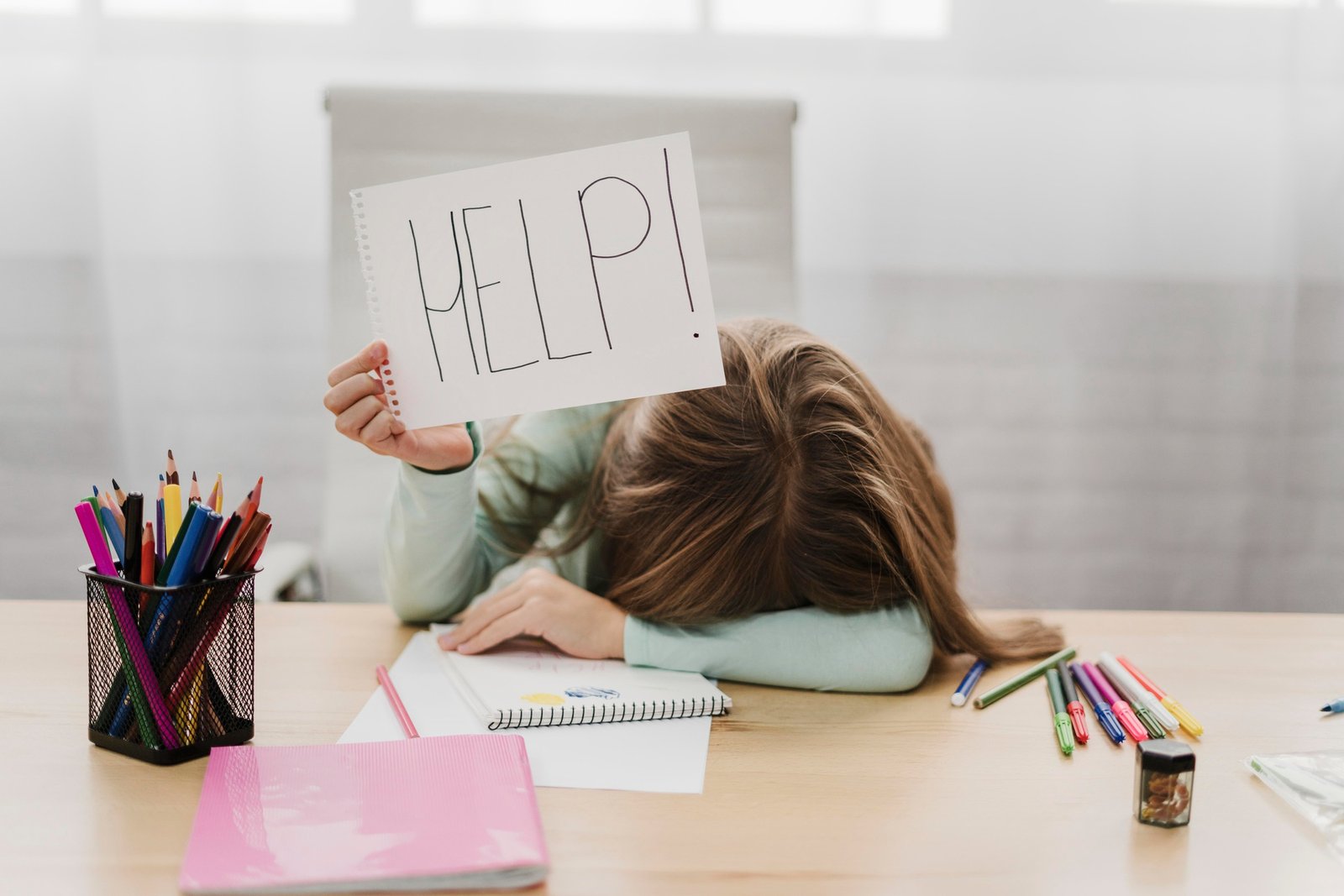
Have you ever been facing distress, anxiety and fear before or during exam? Most of the students suffer these types of conditions because of fear of failure. Learning how to stay calm in exam is one of the most valuable skills a student can have. Whether you feel butterflies in your stomach or a full wave of panic, test anxiety in students is real, common, and completely manageable. In fact, studies show that over 40% of students experience some level of exam stress that affects their performance. Therefore, it is essential to understand its causes and learn effective strategies to manage it.
The good news? You do not need to suffer through it. In this blog, we share 7 science-backed strategies to help you feel confident, prepared, and calm — even the night before a big test. Before we dive in, if you are looking for a broader roadmap to academic success, check out our guide on student study tips for practical habits that complement everything covered here. If you develop the soft skills, you can not only overcome anxiety and exam stress but also will get your personality developed wit the help of powerful personality developing skills. For even deeper study habit strategies, visit our resource hub at Enlightrs.com, where we regularly publish tools and guides for student success.
What is Test Anxiety? Understanding the Root of the Problem

Understanding the root of the problem can manifest the right direction towards its solution. At First, there is need to understand what we are actually facing. Test anxiety is a particular type of condition that happens around exams. It has been common among the students; nevertheless, anxiety goes beyond normal nervousness. When it strikes, it can affect your thinking, memory, and even your physical health. It is a combination of physical, emotional, and cognitive responses that occur before or during an exam. Anxiety can appear as racing thoughts, rapid heartbeat, sweating, or difficulty concentrating.
Common Test Anxiety Symptoms
The testing anxiety symptoms fall into three main categories: physical, emotional, and cognitive. Here is a quick breakdown:
| Physical Symptoms | Emotional Symptoms | Cognitive Symptoms |
| Racing heartbeat | Feeling of dread | Mind going blank |
| Sweating or shaking | Irritability or anger | Difficulty concentrating |
| Nausea or stomach ache | Feeling helpless | Negative self-talk |
| Tension in shoulders | Crying or panic | Forgetting studied material |
Example:
Imagine the condition of a bright student, Sarah, who is sitting in examination hall. She has been studying for weeks. However, during exam, her mind went completely blank, and her hands would not stop shaking. That is a classic case of severe exam anxiety. It is not about effort; it is about the body’s stress response going into overdrive.
Causes of Test Anxiety and Exam Stress

If you wan to get information about causes of test anxiety, it is essential for you to understand basic reasons before dealing with it. This strategy can only help you tackle it at the root. It is pretty sure that one cannot beat this type of stress unless he identifies the actual triggers behind these problems. The most common reasons include:
- Fear of failure: Sometimes, students feel fear and start worrying too much about grades or disappointing others.
- Poor preparation: Anxiety overcomes a student’s mind when he does not get prepared enough for the upcoming exam, and surely, it feeds anxiety.
- Perfectionism: Usually, a student sets high standards for himself which afterwards become impossible for him to achieve.
- Past bad experiences: The bad results of any past test can trigger worry in future tests.
- Pressure from family or school: In our society, it has become a trend to follow the traits of others which actually increase expectations, and such overwhelming conditions can put pressure on the students. This type of external pressure gives an easy way to stress to overcome your mind.
According to the American Psychological Association, performance anxiety is one of the most researched areas in educational psychology. You must have enough information about psychological stress in exam because knowing the reasons for test anxiety is the first step toward beating it. Following table can justify the symbols and the way it affects performance:
| Symptom | Description | How It Affects Performance |
| Nervousness | Feeling jittery or uneasy | Can reduce focus on questions |
| Rapid heartbeat | Increased heart rate | Impacts memory retrieval |
| Negative self-talk | Thoughts like “I’ll fail” | Lowers confidence and increases stress |
| Headaches | Physical discomfort | Reduces mental clarity |
How to Stay Calm in Exam: 7 Science-Backed Strategies
Now that you understand the problem, let us explore the solutions. These are not random tips — they are backed by research. Moreover, they work whether you start them weeks before the exam or the night before.
Strategy 1: Master Special Breathing to Avoid Test Anxiety
The fastest way to calm down before an exam is to control your breathing. When you are anxious, your breathing becomes shallow and fast, which signals your brain that you are in danger. Therefore, slowing your breath sends the opposite signal — safety. So, you must try this special breathing technique to avoid test anxiety:
- Inhale slowly through your nose for 4 counts.
- Hold your breath for 4 counts.
- Exhale slowly through your mouth for 6 counts.
- Repeat this cycle 5–6 times.
When you breathe slowly, it means you are stronger than your anxiety. It is also a reminder that your body has a built-in off-switch for stress.
Example:
For example, before a math exam, you can try doing this breathing exercise in the hallway for just two minutes. Surely, you will become noticeably calm, and will be focused afterward. This is also one of the most effective 7 ways to stop anxiety before it starts.
Strategy 2: Use Test Anxiety Meditation the Night Before
According to medical experts, sleep is your brain’s reset button. However, many students continue cramming late night because of exam fear, which actually backfires. Instead, one of the best things to do before a test is a short test anxiety meditation session before bed. Actually, a 10-minute meditation helps you:
- Release anxiety in shoulders and other areas where tension builds up physically.
- Slow your racing mind.
- Improve sleep quality, which boosts memory recall during the exam.
Apps like Headspace or Calm offer free guided meditations specifically for student stress. Alternatively, you can find free options on YouTube by searching “sleep meditation for exam anxiety.” Research published in JAMA Internal Medicine confirms that mindfulness meditation significantly reduces anxiety symptoms.
Strategy 3: Know the Good Things to Do Before a Test
Remember, knowing good things to stay calm in exam matters because it helps to understand what you do in the hours before an exam. As many students focus only on last-minute revision, this last minute revision creates pressure on mind. Hence, here are proven good things to do before a test:
- Eat a balanced meal: Avoid sugar spikes. Go for oats, eggs, or fruit for steady energy.
- Exercising before a test: Even a 20-minute walk boosts your mood and mental clarity through endorphin release.
- Review, do not re-learn: Skim your key notes. Do not try to learn new material last minute.
- Arrive early: Rushing to the exam hall increases cortisol levels. Plan to arrive 10 minutes early.
- How to lower blood pressure before an exam: Splash cold water on your face or sit quietly and breathe deeply.
Example:
For example, a student who exercises before a test, eats a proper breakfast, and arrives early will always remain calm in exam as compare to someone who skipped sleep and crammed at midnight.
Strategy 4: Manage Test Anxiety During the Exam
The best preparation for exam is not enough for feeling calm in exam. In fact, anxiety can hit during the test itself. Therefore, you need reliable strategies to manage test anxiety right in the moment. Here is what actually works:
- Start with the easy questions: When you start with the easiest question, it builds momentum and confidence.
- Do not overthink: Overthinking can create confusion, so your first instinct is usually right, especially for multiple-choice questions.
- Use the breathing trick again: Here, you must take two deep breaths before a tough question, and it resets your focus.
- Write it out: If your mind feels cluttered, jot down keywords or a mini-outline before writing your answer.
- Ignore other students: You should ignore other students what they are doing. If someone finishes early, it does not mean you are doing poorly.
According to research, one of the best exam taking tips is to treat each question as an independent mini-task. This reduces the feeling of being overwhelmed and helps you do better on tests one step at a time.
Strategy 5: How a Positive Person Deals with Worry and Doubt
A strong mindset is a powerful tool to deal with different problems of life. When you explain how a positive person deals with worry and doubt, the key difference is not the absence of fear; it is the response to fear. Positive thinkers acknowledge anxiety and then redirect their energy productively. At first, you should think positive, then do positive. Here are some proven mental resets:
- Replace negativity: If you want to become stress free, you will have to replace “I am going to fail” with “I have prepared, and I will do my best.”
- Visualize success: Spend 60 seconds picturing yourself walking out of the exam feeling confident.
- Use power phrases: Phrases like “I am capable” or “I’ve got this” actually activate confidence circuits in the brain.
Moreover, building a positive mindset is closely tied to the broader soft skills you develop as a student. Our article on why soft skills matter more than degrees in 2026 explores how emotional regulation and resilience shape long-term success beyond the classroom. Furthermore, you can attempt a self-assessment test to judge your skills which can help ou you perform well.
Strategy 6: How to Get Better at Test Taking Through Smart Preparation
One of the best ways to reduce test anxiety is simply to prepare smarter. Anxiety often comes from uncertainty, and preparation eliminates uncertainty. Here is how to get better at taking tests through targeted practice:
- Practice under timed conditions: This trains your brain to work under pressure and reduces surprise during the real exam.
- Review past mistakes: Go through previous test errors and understand why you got them wrong.
- Use active recall: Instead of re-reading notes, close the book and try to recall key points. This method dramatically improves memory retention.
- Space your revision: Study in shorter, regular sessions rather than one long cramming night.
Example:
As a practical example, if you have two weeks before your exam, divide your material into chunks and review one chunk per day. This not only reduces anxiety about studying but also makes you genuinely more prepared.
Strategy 7: Last-Minute Exam Stress Relief Techniques
Sometimes, stress hits at the last minute despite all your preparation. If you have faced such situation ever, it is completely normal. Fortunately, there are quick last-minute exam stress relief techniques you can use right before the exam starts:
- The 5-4-3-2-1 grounding technique: Name 5 things you can see, 4 you can touch, 3 you can hear, 2 you can smell, and 1 you can taste. This snaps you back to the present moment.
- Cold water trick: Splashing cold water on your wrists or face activates the dive reflex, which naturally lowers your heart rate.
- Power posture: According to research by Amy Cuddy at Harvard, standing tall with your shoulders back for two minutes actually reduces stress hormones.
- Chew gum: Research shows chewing gum during exams reduces cortisol and improves focus.
For example, a student who practices the 5-4-3-2-1 technique in the exam waiting area will enter the exam room confidently. At that moment, he will not be spiraling in panic.
How to Stop Test Anxiety: Long-Term Solutions
The seven strategies given above work beautifully in the short term, while long-term relief requires consistent habits. Here is how to stop test anxiety from becoming a recurring problem:
- Therapy for test anxiety: Cognitive Behavioral Therapy (CBT) is highly effective to get relief from test anxiety. A therapist helps you identify and reframe the thought patterns that trigger panic.
- How to get tested for test anxiety: Speak with your school counselor or a psychologist. A formal assessment can guide the right type of support.
- Build a consistent routine: Regular sleep, exercise, and nutrition form the foundation of emotional resilience.
- Talk about it: Many students suffer in silence. Sharing your struggle with a trusted friend, parent, or teacher can provide enormous relief.
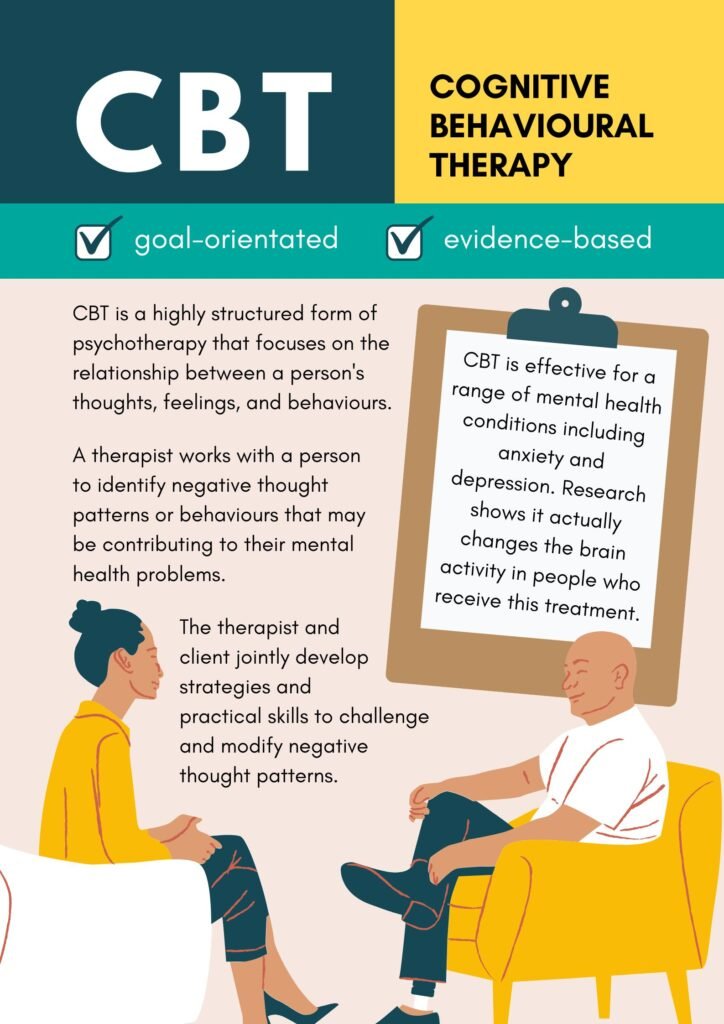
Furthermore, if your anxiety is affecting daily life beyond exams, it may be worth exploring how to relieve performance anxiety more broadly with a professional. You deserve support — and asking for it is a sign of strength, not weakness.
Quick Reference of How to Stay Calm During Exams
| Timing | What to Do | Why It Works |
| 1-2 weeks before | Spaced study sessions + active recall | Reduces uncertainty and builds true confidence |
| Night before | 10-min meditation + proper sleep | Resets the brain and consolidates memory |
| Morning of exam | Light exercise + healthy breakfast | Boosts mood hormones and stable energy |
| Just before exam | Box breathing + 5-4-3-2-1 grounding | Activates the calm nervous system response |
| During exam | Start easy, breathe, focus on one question at a time | Builds momentum and reduces overwhelm |
Conclusion
In conclusion, it can be sad that learning how to stay calm in exam is not about being emotionless or fearless. It is about building the right habits, mindset, and tools so that pressure does not derail your potential. Whether you are dealing with exam challenges for the first time or battling long-standing severe exam anxiety, the strategies in this blog give you a clear and actionable path forward.
To summarize, whether you are preparing yourself for a competitive exam for bright future or having an intention to earn degree, you just have to start with your breathing, build a smart study plan, take care of your body, and trust the preparation you have done. Furthermore, remember that your grade is just one small measure of your intelligence and worth. As one of the most important exam taking tips of all: progress matters more than perfection. Ready to build stronger study habits? Explore our full library of guides at Enlightrs.com and take the next step toward academic confidence.
Frequently Asked Questions (FAQs)
Test anxiety is a form of performance anxiety triggered by exams or tests. It includes physical symptoms like a racing heart, emotional symptoms like dread, and cognitive symptoms like a blank mind.
The main causes of test anxiety include fear of failure, perfectionism, poor study habits, past negative exam experiences, and external pressure from family or school.
To calm yourself before an exam, try box breathing (inhale 4 counts, hold 4, exhale 6), do a short meditation, eat a light balanced meal, arrive early, and avoid discussing the exam with anxious peers.
The best things to do before a test are: get 7–8 hours of sleep, do light exercise in the morning, do a quick review (not deep study), eat a nutritious breakfast, arrive at the venue early, and use breathing or grounding techniques to manage any last-minute nerves.
Yes, therapy for test anxiety, especially Cognitive Behavioral Therapy (CBT), is very effective. A therapist helps you identify the thought patterns fueling your anxiety and teaches you to reframe them.
Exercising before a test is one of the most underrated strategies. Even 20-minute walk releases endorphins, reduces cortisol (the stress hormone), and improves focus.
To do better on tests, combine smart preparation (spaced repetition, active recall) with exam-day strategies (start easy, manage time, use breathing).