Forex Trading Techniques for Beginners in: How to Start Trading Without Loss n 2026?
Do you want to know forex trading techniques for beginners? If yes, then congrats. You are also one of the thousands people who want to start their trading career and they want to learn how to start trading without loss in 2026. Forex trading can be profitable for you in 2026, if you follow some practical steps and avoid common mistakes. At start the trading world look like a goldmine for investors, companies, and businesses, yet it can also feel like a minefield for new comers.
10 Easy Steps to start Forex Trading in 2026
We’ll walk you through the key steps, best practices, skills and forex trading techniques so that you can begin your FX journey with confidence. The phrase “Forex Trading for Beginners” appears right at the start, so you know exactly who this is for—if you’re new to the idea of trading currencies, you’re in the right place. If you have advanced level of trading knowledge and experience, you can also earn a passive income through YouTube automation for faceless channels by creating tips and tricks based videos.
1. What is Forex Trading for beginners?

Before diving in, you should get a solid grasp of what “forex” actually means. The foreign exchange market—often called foreign exchange (FX) or simply “forex”—is a global, decentralized market where currencies are traded. You just have to cope with the privacy policy of a broker to start a successful-trading career. You can learn the basic key facts at babypips. Before investing, you can learn how to start forex trading for beginners. For this purpose, these are the facts and figure which every beginner should know:
- Currencies are traded in pairs (for example, EUR/USD). One currency is exchanged for another, so you’re always dealing with how two currencies relate.
- The FX market operates 24 hours a day (five days a week), because when one region closes the next opens.
- It’s huge in size: trillions of dollars move through FX each day, offering high liquidity (meaning trades can be entered and exited easily).
- But with big size and high liquidity comes risk—prices can move fast, leverage can amplify losses, and emotions can sabotage you.
Example:
For example, a trader plans a trade with 10% leverage. It means that 10% of his invested amount in the trade will be added by the broker. If he has $10 for the trade with 10% leverage, the actual trade will be executed with the amount of $100. The higher leverage you use, the higher risk will be there for your liquidation. Hence, be very careful while executing a trade with leverage. Never take more than 10-15% leverage. It’s the safest forex trading technique for beginners.
When you say “Forex Trading techniques for Beginners or how to Start Without Losing Money”, the phrase “start without losing money” might seem impossible, although the goal is to minimize losses, not eliminate risk entirely. Losses will happen. The trick is to manage them. On the other hand, 90% traders cannot manage their losses because of high leverage. Therefore, learn first about what is leverage in forex trading. A leverage is that part of trading money which a broker invest with your money.
2. Set Realistic Goals & Mindset

Only reading charts or reacting accordingly o geographical financial news cannot make you technically strong trader. There is also a dire need of building forex trading techniques to become a successful trader. For this purpose, you must approach the market with the right mindset. First, understand the market’s behavior. Then keep an eye on some rookie mistakes:
- Thinking you’ll “get rich quick” overnight. That’s a fast lane to losses. Tools like leverage amplify both gains and losses.
- Trading emotionally—if you trade when angry, bored, or greedy, you’re more likely to make mistakes.
- Ignoring risk. You only trade with money you can afford to lose. If you use vital money (rent, bills), then you become emotionally attached. That’s dangerous.
What you should do instead:
- Set a modest goal (e.g., “I want to learn and grow my capital by X% in one year,” rather than “I’ll double my money next month”).
- Decide how much you’re willing to risk per trade. Many experienced traders risk only 1–2% of their account on any single trade.
3. Choose a Reliable Broker & Practice Account

The way you think or plan a trade is actually trading strategies. Forex trading techniques for beginners define their mental and professional approach towards market, and its behavior at the time of trade. In this way, your broker is your partner in the Forex market, so you want one you can trust. On my behalf, I recommend you XM 360 , Exness brokers. These are the best brokers for beginners to start trading. Prior to investing real money, it is mandatory to test your trading skills, develop strategies and apply different forex trading techniques. According to reliable sources:
- Choose a broker regulated by credible authorities (so you have safeguard protections).
- Make sure the trading platform is user-friendly and lets you “demo” trade (paper-trade) before you go live.
Why A Demo Account Matters for Practice Trading
- You learn the mechanics of placing trades, setting stop-loss orders, taking profit orders, without risking real funds.
- You test your strategy and platform so real-money trading feels more familiar and less scary.
Given the topic “How to Start Without Losing Money”, using a demo account is a key first step to minimize beginner losses.
4. Build a Simple Trading Plan
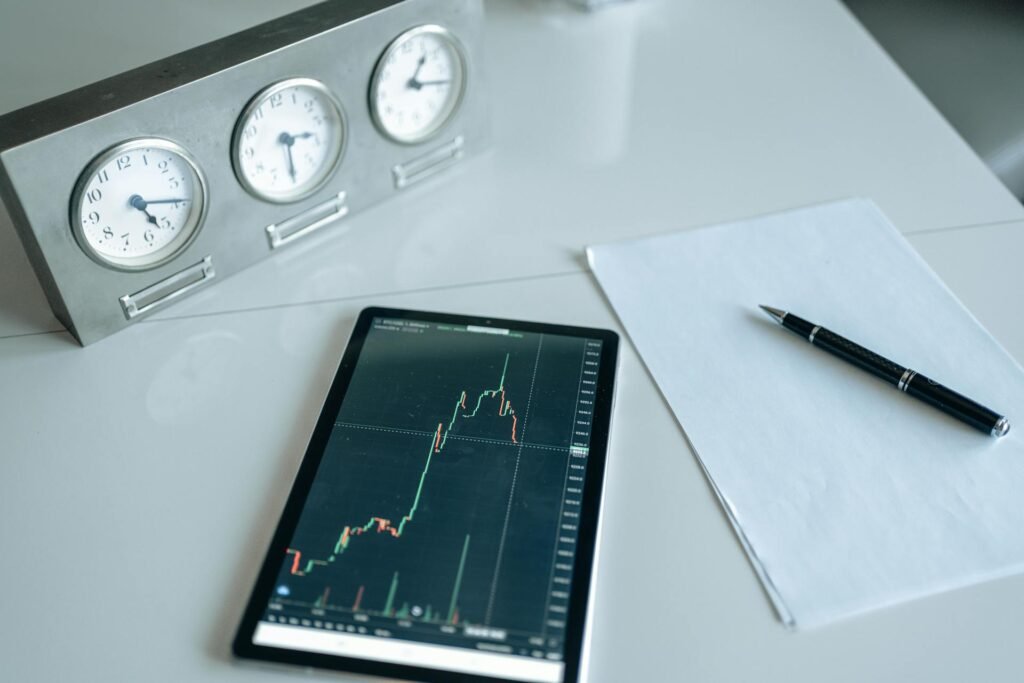
Without a plan, trading any asset online is similar to investing real money in the market without any knowledge. Therefore, you must learn how to build a simple trading plan. Otherwise, your trading will act as a by chance activity. If you have a meaningful trading plan, you can sustain in the forex market. In fact, this plan can help you pile up your trading loss.
Key components of a trading plan:
| Component | What to Define |
| Trading style | Are you going to trade short-term (day trades), or longer-term “swing” trades? |
| Currency pairs | Focus on major pairs (e.g., EUR/USD, GBP/USD) with good liquidity and lower spreads. |
| Entry & exit rules | When will you buy? When will you sell? What signals will you use? |
| Risk management | How much of your account will you risk per trade? Where is your stop-loss? Where is your take-profit? |
| Review process | After each trade, log the result. What went right? What went wrong? |
“Forex Trading for Beginners: How to Start Without Losing Money” implies a strong emphasis on risk management and discipline, which your trading plan supports directly
5. Risk Management in Forex Trading— Your Safety Net
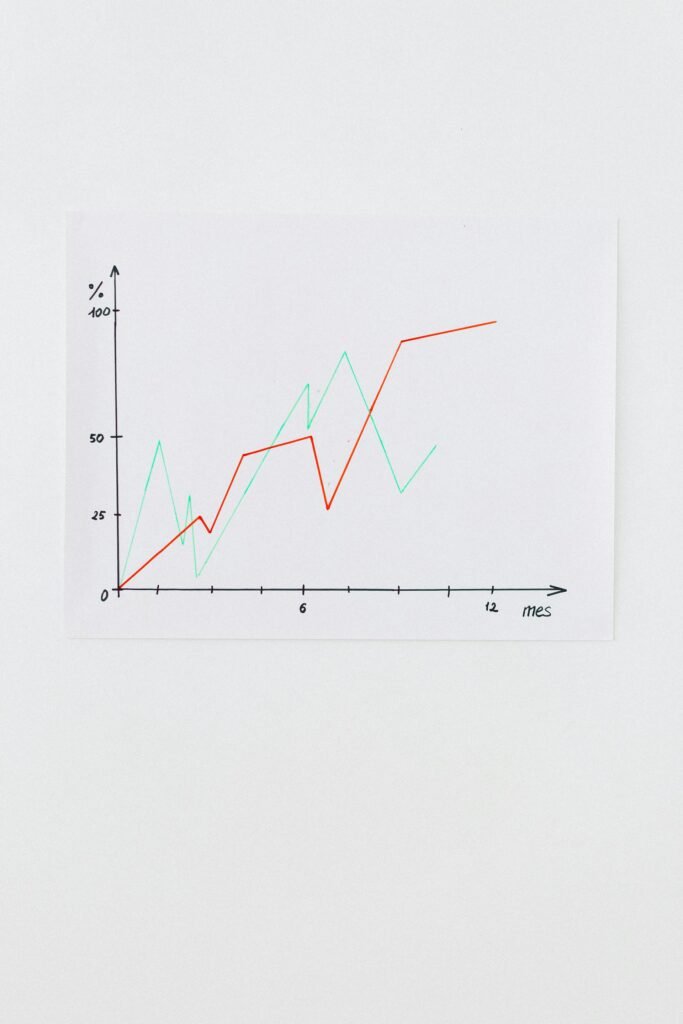
You can have the best strategy and still lose badly if you ignore risk management. Some best practices:
- Never risk more than 1–2% of your trading capital on a single trade, for the huge lots or amount can lead you to regret later. Many professionals suggest 1%.
- Use stop-loss orders. Without them you could have huge losses if the market moves sharply against you.
- Be cautious with leverage. It can magnify gains but also losses. Starting with low or no leverage is wise.
- Keep your charts and analysis simple—cluttered indicators can cause confusion and bad trades.
By emphasizing risk management, you’re explicitly aligning with the “without losing money” part of our topic. You’ll probably still have small losses—but they’re controlled, manageable, and you preserve your capital to keep going
6. Start Small & Trade Realistically
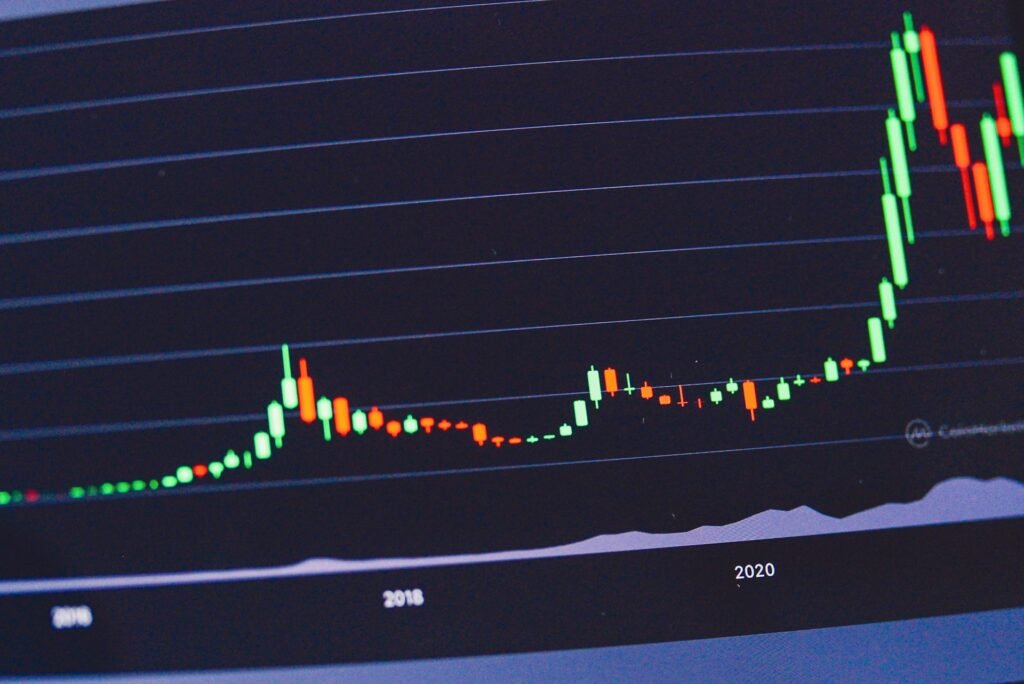
As a beginner, your first live trades should reflect your learning stage, not your bold ambitions. Tips:
- Begin with a small real-money account—amount you can afford to lose.
- Trade micro-lots (small position sizes) at first, so each movement doesn’t ruin you. As micro lots help limit downside, you must do proper money management and risk-management.
- Be patient. Focus on consistency, not big wins. Think of profits as “bonus”, not expectation.
Growing slowly means you’re less likely to suffer a big hit early on—again hitting the goal of starting without large losses.
7. Use Both Technical & Fundamental Analysis
Technical analysis and fundamental analysis play a vital role in trading journey for a beginner and a professional equally. These two things helps a trader to understand the market why and how the market moves. To trade intelligently, you’ll want to combine:
- Fundamental analysis – studying economic indicators, central bank policy, geopolitical events. These drive currency moves.
- Technical analysis – reading charts, identifying trends, support & resistance levels, volume, etc.
As a beginner, it is sufficient to use a few number of reliable indicators (trend + support/resistance) is enough at first. Hence avoid layering dozens of tools and getting confused. CMC Markets When you use both lenses you make better-informed trades and reduce random losses caused by blindly jumping in.
How to Use Technical and Fundamental Analysis in forex
The role of technical and fundamental analysis cannot be neglected in trading market. Especially, forex market move most of the time moves according to the international market and international financial news. As we have discussed earlier, technical analysis is the ability to read and understand the chart while fundamental analysis is all about understanding the international market and its consequences. For this purpose, keep a keen eye on international financial news so that you can plan your trade accordingly.
8. Review, Learn & Improve Continuously
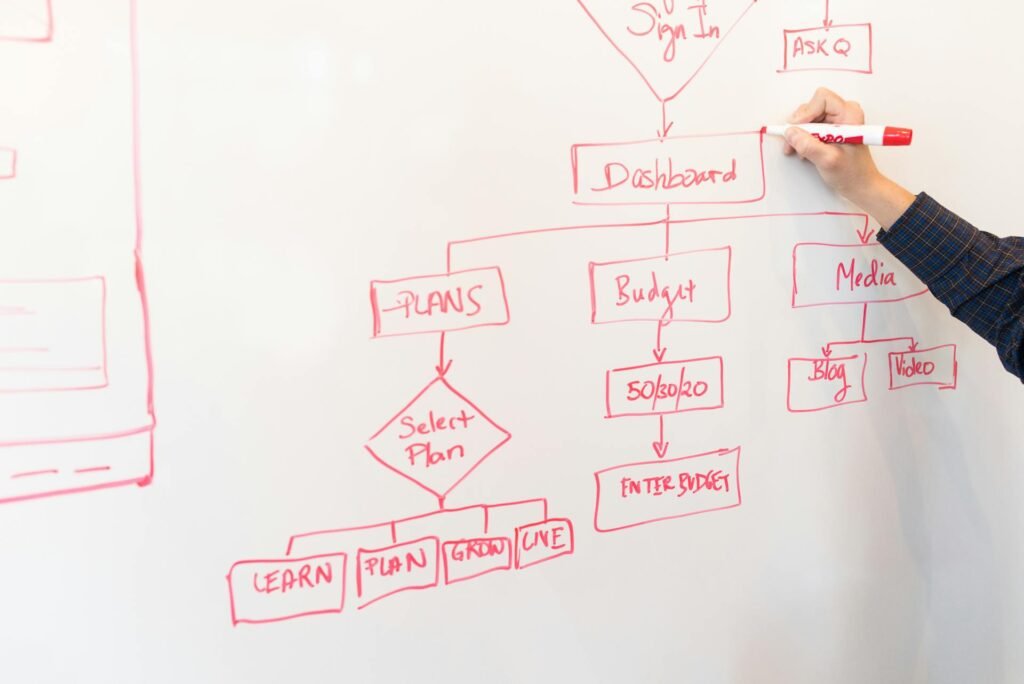
Even the best traders still review and refine their work. Therefore, as a beginner you should:
- Keep a trading journal: record each trade, your reason for entering/exiting, outcome, emotions.
- Regularly review your results: Are you making more good trades than bad? What mistakes repeat?
- Be humble: Accept losses as part of the game. The goal is to minimize them and maximize the good ones.
- Update your plan: Maybe your strategy needs tweaking, maybe you choose different pairs, maybe your risk needs adjusting.
- This mindset keeps you grounded and keeps your losses contained.
9. Common Beginner Mistakes & How to Avoid Them
When you focus on “How to Start Without Losing Money”, you actively guard against these errors. Only investing money or executing a trade wise is not only a technique. Actually, protecting real one in a running trade is one of the best forex trading techniques for beginners. So, there s need to avoid some crucial mistakes to avoid funds loss in forex trading. Here are some frequent pitfalls for beginners and how to steer clear:
- Over-leveraging: Using high leverage thinking it’ll boost profits, but it often magnifies losses.
- Trading without strategy: Jumping in because “I heard about it” or “it looked good”. Furthermore, you must have a trading plan or strategy.
- Ignoring stop-losses: Not using them or moving them further when in loss—dangerous.
- Too many indicators: Analysis paralysis. Keep it simple.
- Chasing losses: After a losing trade, jumping into another to “make it back” usually means more losses. In spite of chasing the losses keep patience.
- Not practising: Skipping the demo stage means you learn on real money—risky.
10. Putting It All Together: A Beginner’s Step-By-Step Checklist

- Learn the basics: what FX is, how pairs work.
- Choose a regulated broker. Open a demo account.
- Build your trading plan (style, risk, pairs, exit/entry).
- Practice on demo until you feel comfortable.
- Fund a small real-money account with amount you can afford to lose.
- Use small positions, apply stop-losses, stick to risk limits.
- Use simple analysis (trend + support/resistance + fundamentals).
- Log trades and emotions in a journal. Review weekly or monthly.
- Adjust plan if necessary. Keep educating yourself.
- Grow account gradually, not aggressively.
Conclusion
Forex trading techniques for beginners is not only embarking on forex trading as a beginner, and it also doesn’t mean walking into a trap. With the right foundations—forex trading techniques, strategies, education, plan, risk control, demo practice—you set yourself up for progress rather than pitfalls. When you apply the steps in “Forex Trading for Beginners: How to Start Without Losing Money”, you actually acknowledge that losses will happen, yet you will have to work to minimize them and keep your capital safe. Keep learning, keep disciplined, and over time you’ll build skill and confidence. Forex trading isn’t a sprint—it’s a marathon. And by starting smart, you give yourself the best chance to succeed. You can write us to get more insights to earn money online.
Frequently Asked Questions (FAQs)
Although there’s no fixed amount, some brokers allow micro or mini accounts with small deposits. But key is: only trade money you can afford to lose.
Yes—but you must use a demo account first, learn basics, and build your plan. Starting live trading without preparation is risky.
While banks and big institutions dominate, the retail (individual) market has access too. The key is to trade smart, control risks, and choose appropriate size.
Typically the “major” pairs (like EUR/USD, GBP/USD) because they have high liquidity and lower spreads. Avoid exotic pairs initially.
No, Indicators are just tools, not guarantees. They help you interpret the market, but trading always involves risk. Using many conflicting indicators can confuse you. You must use trading techniques to deal with these indicators.
Quite often, losses are part of the process. The important forex trading technique is to keep the losses small, learn from them, and aim for a larger number of small wins over time.