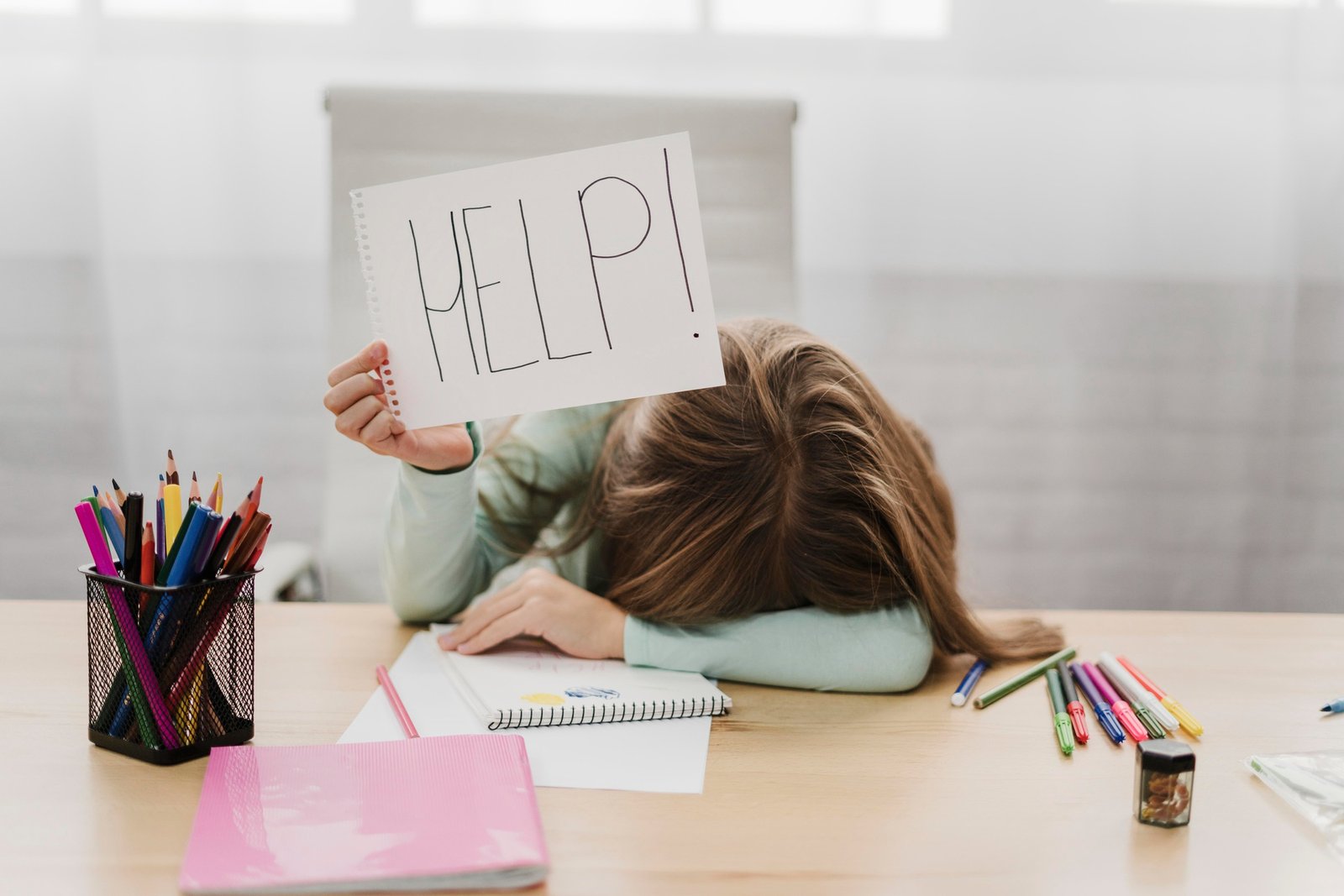
Test Anxiety and Exam Stress: Science-Backed ways o stay calm
Test Anxiety and Exam Stress can significantly impact performance. It is, therefore, essential to understand their causes and learn effective strategies to manage them.” Exams can be a stressful time for students, leading to test anxiety and overwhelming exam stress. Feeling nervous before a test is normal, but when anxiety starts to interfere with performance, it’s essential to learn how to reduce it effectively. In this Enlightrs digital services & educational blog, we’ll explore the causes of exam stress, its symptoms, and science-backed methods to help you stay calm and perform your best. You can overcome anxiety and stress y learning why soft skills matter more than degrees.
What is Test Anxiety?
Test anxiety is a combination of physical, emotional, and cognitive responses that occur before or during an exam. It can manifest as racing thoughts, rapid heartbeat, sweating, or difficulty concentrating.

| Symptom | Description | How It Affects Performance |
| Nervousness | Feeling jittery or uneasy | Can reduce focus on questions |
| Rapid heartbeat | Increased heart rate | Impacts memory retrieval |
| Negative self-talk | Thoughts like “I’ll fail” | Lowers confidence and increases stress |
| Headaches | Physical discomfort | Reduces mental clarity |
Such kind of anxiety is common among high school, college, and even professional exam-takers, but it can be managed with practical strategies.
Test Anxiety and Exam Stress Causes and Solutions
Understanding exam stress causes is the first and foremost step towards its solution. One cannot manage his test anxiety and exam stress unless he identifies the actual triggers behind these problems. One of the most powerful ways to beat exam anxiety before it starts is building a strong preparation strategy — explore these effective student study tips to reduce exam stress and improve results and go into every exam feeling genuinely ready. Common triggers of anxiety and stress include:
- High expectations from self or parents
- Poor time management during study time
- Lack of preparation or last-minute cramming
- Sleep deprivation and unhealthy lifestyle

Effective Solutions for Test anxiety and Exam stress
- Create a Study Schedule: Creating a study schedule is of great importance. You must have a proper study schedule (proper time management), and break your revision into manageable chunks. Study breaks should be included to avoid burnout.
- Healthy Lifestyle Choices: Healthy lifestyle doesn’t mean to have a luxury house or lifestyle but to have proper nutrition, hydration, and sleep; they are also essential . You can improve your focus to stud by Incorporating foods that reduce exam stress, like nuts, berries, and leafy greens.
- Practice Mindfulness & Breathing Exercises: There are too many practical techniques to endure calmness. Diaphragmatic breathing technique can help calm nerves before and during exams.
- Seek Support: Sometimes, anxiety and exam stress can bring you in solitude. It’s better to talk to your parents, teachers, counselors, or peers about your concerns.
Symptoms of exam stress that should be cured!
“Identifying exam stress early helps you stay calm and in control. By noticing the symptoms sooner, you can prevent anxiety from hurting your exam performance. Symptoms may include:
- Difficulty in concentrating or remembering information
- Frequent headaches or stomach issues
- Mood swings and irritation towards exam preparation
- Feeling overwhelmed or panicked
Recognizing these symptoms helps you understand what your body is telling you. It makes you aware that exam stress is building up. This awareness allows you to take action and use stress-reduction strategies early.
How to Stay Calm During Exams: Science-Backed Methods
It is vital for everyone of you to manage test anxiety. To manage and cure your test anxiety, you will have to use a combination of mental, physical, and environmental strategies. Here are the most effective science-backed methods:
1. Deep Breathing Exercises for anxiety and Exam Stress
- Practice the 4-7-8 breathing technique to calm your mind and body. At first, start by inhaling slowly through your nose for 4 seconds, hold your breath for 7 seconds, and then gently exhale for 8 seconds..
- Research shows that this technique helps lower your heart rate and promotes deep relaxation.
2. Mindfulness Meditation to relieve test anxiety and stress
- You need to spend 5–10 minutes quietly focusing on your breath or the sensations in your body. This simple practice brings calmness to your mind and drive your attention back to the present moment.
- Different studies manifest that practicing mindfulness can lower cortisol and stress causing hormones in the body. It also provides assistance to improve focus and attention.
3. Last-Minute Exam Stress Relief
- The most important thing is to avoid cramming at the last minute. Instead of it, you may go through your summaries or flashcards for a quick and effective review. The last-minute cramming can increase the stress level; therefore, you have to avoid it.
- A short study break is mandatory to relax your mind. You should use this break time to stretch or take a quick walk to refresh your body.
- Music can be a good tactic to keep yourself cam and relax before an exam, so listen to calming music before entering the exam hall. It helps relax your mind and reduces exam stress.
4. Cognitive Restructuring
- Replace negative thoughts like “I’ll fail” with positive affirmations such as “I’m prepared and capable”. This shift can build confidence and also reduce exam stress..
- This approach helps you to reduce anxiety and boosts your performance under pressure.
5. Nutrition for Exam Calmness
- Include foods in your diet that help reduce exam stress. These nutritious choices can support your brain and keep you calm during exam sessions, such as:
| Food | Benefit |
| Dark chocolate | Boosts serotonin and improves mood |
| Nuts & seeds | Enhance calming effect and keep relax |
| Green leafy vegetables | Supports brain function and reduces fatigue |
| Berries | High in antioxidants to combat stress |
| Herbal teas (chamomile) | Promotes relaxation and sleep |
Tips for Long-Term Exam Stress Management
- Regular Study Habits: Maintain regular study habits and avoid procrastination. Take short study breaks to stay focused and improve information retention..
- Exercise: Engage in moderate physical exercise or any activity, as it helps lower cortisol levels and boosts your mood.
- Sleep Hygiene: Maintain good sleep habits. Aim to get at least 7–8 hours of sleep each night.
- Practice Exams: Taking a daily practice of your study material helps you become more comfortable with the material. You will become more familiar with your books and other study notes; meanwhile, it will reduce anxiety and builds confidence.
Manage Time & Reduce Exam Stress Today!
Exam stress and test anxiety can be managed by proper time management. It is not just about the time—it’s about studying smarter. Start implementing these time management today! There are hundreds of the best AI tools for students to get insights how to manage time and relieve their stress.

Frequently Asked Questions (FAQs)
Exam stress is a general feeling of pressure during exams, while test anxiety is a more intense emotional and physical reaction that can impact performance.
Yes, techniques like mindful breathing, short study breaks, and positive visualization can significantly reduce anxiety before exams.
Focus on what you know, practice deep breathing, and avoid negative self-talk. Even 5–10 minutes of calm can improve concentration.
Yes, exam stress symptoms often include headaches, stomach upset, and fatigue. Recognizing them early allows you to use stress-management techniques.
Yes, incorporating magnesium-rich nuts, antioxidant-rich berries, dark chocolate, and herbal teas can help regulate stress hormones and improve focus.