How to Optimize Content for AI Search Engines: A Complete Guide for Beginners
The digital landscape is evolving rapidly. AI search engines are transforming how people find information online. Therefore, it is essential to learn how to optimize content for AI search engines. Traditional search engine optimization focused on matching keywords and building backlinks. However, AI search SEO works differently. These intelligent systems understand context, user intent, and natural language patterns.
How to optimize content has become a critical skill for anyone creating online content. Whether you’re a new marketer, freelancer, or website owner, understanding this shift will help you stay visible in search results. This guide breaks down everything step by step, making it easy to adapt your content strategy for the AI-powered future. To see how AI-driven content fits into future search trends, explore our guide on the next evolution of search optimization. To uncover missed opportunities and improve your AI-driven content strategy, check out our guide on identifying SEO gaps effectively.
What Is AI Search Engine Optimization (AI SEO)?
AI search engine optimization refers to creating and structuring content that AI-powered search systems can understand, analyze, and rank effectively. Unlike traditional methods that focused purely on keyword density, artificial intelligence SEO evaluates content quality, relevance, and user satisfaction signals. Hence, it is mandatory for every content creator to get insights about how to optimize content for AI search engines.
AI Search Optimization Explained
If you are worried about how to optimize content, then you must think of AI search optimization as teaching machines to think like humans. These systems use natural language processing to understand what users really want. They don’t just match words—they grasp meaning, context, and intent behind every query.
How AI Search Engines Rank Content
AI search engines analyze multiple factors simultaneously. They examine content depth, readability, structure, and how well it answers user questions. Machine learning algorithms compare your content against thousands of similar pages to determine quality. Search engine optimization machine learning systems also track user behavior. If visitors quickly leave your page, AI interprets this as low-quality content. Conversely, longer engagement times signal valuable information.
Answer Engine Optimization As An AI Search tool
Traditional SEO aimed to rank your page on search results. Answer Engine Optimization (AEO) focuses on getting your content featured as direct answers. Platforms like ChatGPT, Google’s AI Overviews, and Perplexity pull information from trusted sources to answer queries instantly. Best answer engine optimization solutions for AI tech involve structuring content with clear definitions, bullet points, and concise explanations that AI can easily extract and present to users.
AI Search Content in SEO
This question confuses many beginners. The truth is nuanced and depends on your approaches towards how you use AI tools and how to optimize content.
Can AI Do SEO Effectively?
This question—can AI do SEO—opens up a powerful debate. The answer is—yes, but with human oversight. AI excels at research, outlining, and generating first drafts. However, it lacks personal experience, creativity, and the ability to verify facts independently.
The most effective approach combines human expertise with AI efficiency. Use AI to speed up research and drafting, then add your unique insights, examples, and voice.
Google’s Stance on AI Search-Generated Content
Google has clarified that is AI generated content good for SEO depends on quality, not creation method. Their guidelines focus on helpful, reliable, people-first content—regardless of whether humans or AI wrote it.
However, people randomly ask a question: “Is AI content bad for SEO?” AI content looks bad for AI when it’s generic, inaccurate, or provides no real value. Low-quality AI content that doesn’t help users will not rank well.
Human + AI Content Best Practices
Start with AI-generated outlines or drafts. Then, personalize the content with real examples from your experience. Add original research, case studies, or unique perspectives. Edit for accuracy and clarity. This hybrid approach maximizes efficiency while maintaining quality that both users and AI search engines appreciate.
How to Optimize Content for AI Search Engines (Step-by-Step)
Now let’s explore practical strategies. How to use AI for search engine optimization effectively requires understanding both the technology and your audience’s needs
Using AI for Keyword Intent & Topical Authority
Begin by researching what your audience actually wants to know. Best AI for SEO writing tools like ChatGPT, Gemini, or specialized platforms can help identify related questions and topics.
Create comprehensive content that covers a topic thoroughly rather than superficial posts targeting single keywords. This builds topical authority—AI systems recognize you as a reliable source on specific subjects.
Using AI to enhance SEO and content means analyzing search patterns, competitor content, and user questions to create truly helpful resources.
How to Optimize content for AI Answers, Not Just Rankings
Format your content for easy extraction. Use clear headings, short paragraphs, and direct answers to common questions. When AI systems scan your page, they should immediately find relevant information.
Include definition paragraphs at the beginning of sections. Answer the “what,” “why,” and “how” questions explicitly. This increases chances of being featured in AI-generated responses.
Generative AI search engine optimization favors content structured for both human readers and machine parsing.
Structuring Content for AI Visibility
Implement proper HTML heading hierarchy (H1, H2, H3). Use schema markup to help AI understand your content type. Break complex topics into digestible sections with descriptive subheadings.
Add lists, tables, and step-by-step instructions where appropriate. These formats make information extraction easier for AI systems while improving readability for humans.
Top AI optimization for visibility enhance includes clear navigation, logical flow, and easily scannable content structure.
Best AI Tools for SEO Writing & Optimization
Selecting the right tools streamlines your workflow and improves results. Let’s explore options for different needs and budgets.
Best AI Tool for SEO Writing
Several best AI for SEO tools stand out for content creation. ChatGPT offers conversational content generation and brainstorming. Jasper specializes in marketing copy. Claude provides detailed, nuanced writing with strong research capabilities.
Premier AI tool for search optimization varies based on your specific needs. Test multiple options to find what works best for your writing style and audience.
Free vs Paid SEO AI Tools
Many SEO AI tools free versions provide excellent starting points with keyword research tools for beginners. Free tiers of ChatGPT, Google’s Gemini, and Bing Chat offer substantial capabilities without cost.
Paid SEO AI tools typically provide advanced features like SEO analysis, competitor research, and content optimization suggestions. Tools like Surfer SEO, Clear scope, and MarketMuse combine AI writing with SEO recommendations.
Automated AI SEO Tools Comparison
Best automated SEO tools handle repetitive tasks like keyword research, content audits, and technical SEO checks. Platforms like SEMrush, Ahrefs, and Moz have integrated AI features for smarter recommendations.
Automated AI SEO tools save time but require human judgment for strategic decisions. Use them for data gathering and initial analysis, then apply your expertise for final optimization choices.
Generative SEO, GEO & Machine Learning in SEO
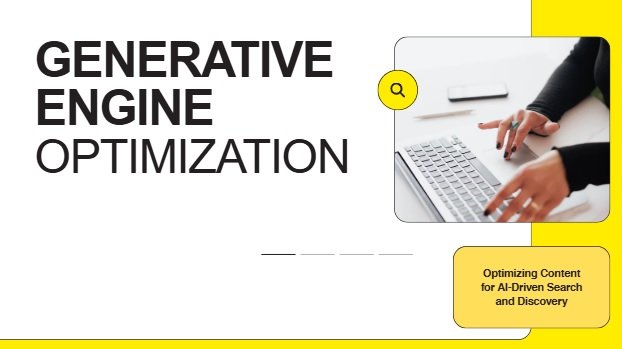
Understanding emerging concepts helps you stay ahead of industry changes and adapt your strategies proactively.
What Is Generative SEO?
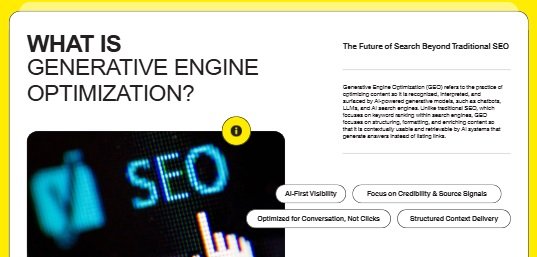
Generative SEO involves creating content specifically optimized for AI-generated search results and answers. This includes optimizing for AI Overviews, chatbot responses, and voice search results.
This approach focuses on providing authoritative, structured information that AI systems confidently cite as sources. It requires higher content quality standards than traditional SEO.
GEO Optimization & AI Visibility
Geo optimization (Generative Engine Optimization) targets AI-powered answer engines like ChatGPT, Perplexity, and Google’s AI features. Unlike traditional pages that appear in link lists, GEO aims to have your content directly quoted or cited.
Geo SEO strategies include creating FAQ-style content, using citation-worthy statistics, and establishing expertise through comprehensive guides. Best solutions for AI visibility involve becoming the authoritative source AI systems trust and reference.
Machine Learning and SEO Explained
Machine learning and SEO work together through algorithms that learn from user behavior patterns. These systems continuously improve at understanding content quality, relevance, and usefulness.
For beginners, this means consistency matters. Regularly publishing helpful, well-structured content trains AI systems to recognize your site as valuable. Over time, this builds algorithmic trust and improves rankings.
Answer Engine Optimization (AEO) for AI Products
As AI-powered answer engines grow more popular, optimizing specifically for them becomes essential for maintaining visibility.
Best Answer Engine Optimization Strategies
Best answer engine optimization strategies for AI products focus on creating quotable, authoritative content. Structure information in clear, definitive statements that AI can confidently present to users.
Include expert credentials, cite sources, and provide evidence for claims. AI systems prioritize content from recognized authorities when generating answers.
Top answer engine optimization strategies for AI products also involve optimizing for conversational queries. People ask AI assistants questions naturally, so your content should answer in natural language too.
Optimizing Content for AI Answers (ChatGPT, Gemini, Perplexity)
Best answer engine optimization for AI innovation requires understanding how different platforms work. ChatGPT relies on training data and web browsing. Perplexity indexes web content in real-time. Google’s Gemini integrates with Google’s vast search database.
Create content that directly answers questions in the first paragraph. Use clear, simple language. Avoid promotional fluff—focus on providing genuine value. Leading answer engine optimization platforms for AI visibility favor content that balances depth with clarity, covering topics comprehensively while remaining accessible
AI Visibility Products with Strong SEO
AI visibility products with the best optimization combine traditional SEO fundamentals with AEO strategies. This includes technical SEO (fast loading, mobile-friendly design), quality content, and structured data markup.
Most effective strategies for AI visibility enhancement involve building expertise, authority, and trustworthiness (E-A-T). Publish consistently, engage with your audience, and create resources that solve real problems.
The Future of SEO in the Age of AI
Understanding where SEO is heading helps you prepare strategies that remain effective as technology evolves.
AI Impact on SEO
AI impact on SEO has already been significant and will continue growing. Search results increasingly feature AI-generated summaries, reducing clicks to traditional websites. This means content must be exceptional to drive traffic. Mediocre content that once ranked through basic optimization tactics no longer performs well. AI and the future of SEO demands higher quality standards across all content types
AI and the Future of SEO
The future of SEO lies in becoming the trusted source that AI systems cite and recommend. This requires expertise, original insights, and content that humans genuinely find helpful.
Voice search, visual search, and conversational AI will dominate user interactions. Optimizing for these interfaces means focusing on natural language, clear answers, and comprehensive topic coverage.
Future of Search Engine Optimization
Future of search engine optimization will reward brands that build genuine authority and relationships with their audiences. While AI handles basic information retrieval, human expertise, creativity, and original research become more valuable.
Success requires adapting continuously, testing new strategies, and maintaining focus on user needs above algorithmic manipulation.
Final Thoughts
How to Stay Ahead in AI Search SEO
Staying competitive in AI search SEO means embracing change while maintaining core principles towards your steps for getting insights about how to optimize content for AI search engines. Focus on creating genuinely helpful content that answers real questions. Use AI tools to enhance efficiency, not replace human judgment.
Monitor how AI systems interpret and present your content. Adjust strategies based on what works. Build expertise in your niche and establish your site as the authoritative resource.
Most effective AI optimization for visibility improvements comes from consistent effort, quality focus, and audience understanding.
Human + AI SEO Strategy Summary
The winning approach combines human creativity with AI efficiency. Use how to use AI for SEO tools for research, drafting, and analysis. Then apply your expertise, experience, and unique perspective to create content that stands out.
Optimize for both traditional search engines and AI answer systems. Structure content clearly, answer questions directly, and provide comprehensive information that helps your audience succeed. AI SEO optimization isn’t about choosing between human or machine—it’s about leveraging both to create the best possible content for your readers
Frequently Asked Questions
Traditional SEO focused on keyword matching and backlinks. AI SEO emphasizes content quality, user intent, and natural language understanding. AI systems evaluate how well content truly helps users rather than just matching search terms.
Yes, but combine AI-generated content with human editing and original insights. Google accepts AI content if it’s helpful and high-quality. Avoid publishing generic AI output without personalization and fact-checking.
The best AI for SEO writing depends on your needs. ChatGPT works well for general content, Jasper for marketing copy, and Claude for detailed guides. Many SEO AI tools free versions provide excellent starting capabilities for beginners.
SEO aims to rank pages in search results. Best answer engine optimization in AI industry focuses on having your content directly cited in AI-generated answers. AEO requires more structured, authoritative content that AI systems can confidently quote.
No. AI changes how SEO works but doesn’t eliminate the need for human expertise. Strategy, creativity, analysis, and adaptation require human judgment. Can AI do SEO tasks efficiently, but humans must guide the process and ensure quality.